
Stephen James Trichologists - Helping You Understand and Manage Hair Pulling Behaviour
Understanding Trichotillomania
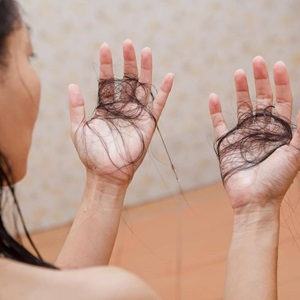
Trichotillomania is a hair loss condition caused by an uncontrollable urge to pull out hairs from the scalp, eyebrows, eyelashes, or other body areas. This behaviour often develops as a coping mechanism for stress, anxiety, or emotional distress.
People with Trichotillomania may experience relief or satisfaction after pulling the hair, but the long-term effects can lead to patchy hair loss, soreness, and lower self-confidence. The condition can vary in severity and may occur alongside other behavioural or emotional challenges.
While it is a recognised psychological disorder, the visible impact on the hair and scalp means that trichologists play a valuable role in helping individuals recover healthy hair growth while supporting their overall wellbeing.
If you are struggling with this condition, we can help. Please book a consultation with one of our qualified trichologists via the button below.
Key Takeaways:
✔ Learn what Trichotillomania is and how it affects hair.
✔ Understand how trichologists support recovery and hair regrowth.
✔ Discover ways to manage and reduce hair pulling behaviour.
✔ Book a hair loss consultation at clinics in Banbury, Birmingham and Saffron Walden.
Why Do People Pull Their Hair Out?
While the exact causes of trichotillomania are not fully understood, experts believe it results from a combination of genetic, biological, and environmental factors.
Individuals may begin pulling their hair during periods of stress, anxiety, or boredom, seeking relief or a sense of control. The condition often begins in late childhood or early adolescence and is most commonly seen in girls and young women, though anyone can be affected.
Some people experience temporary episodes linked to stressful events, while for others, the urges become a persistent challenge.
Understanding who is at greater risk and the underlying causes can help families and individuals seek the right support. If you are concerned about hair pulling, book a discreet consultation to discuss your needs with one of our trichology specialists.
Signs and Symptoms to Look Out For
Trichotillomania presents itself differently from other types of hair loss and the reasons behind why you are doing this can be deep seated and complex. Some common signs that you may need help include:
- Broken or missing patches of hair that differ in length
- Repeated attempts to stop pulling hair without success
- Scalp tenderness or irritation caused by repetitive pulling
- Wearing hairstyles or head coverings to hide bald areas
- Feelings of guilt, shame, or frustration related to hair pulling.
If these symptoms are familiar, professional advice and care can help reduce distress and protect your scalp and hair follicles from further damage.
Trichotillomania Treatment & Scalp Care Advice
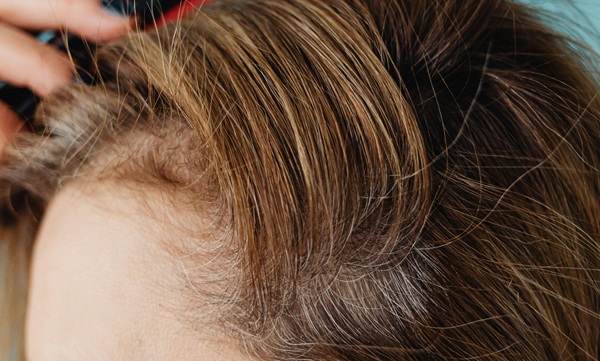
Treatment for Trichotillomania focuses on two key aspects - supporting new hair growth and protecting the scalp. While addressing the behavioural side often requires therapy or counselling, trichological care ensures your scalp and follicles remain healthy while hair recovers.
Typical recommendations may include:
- Using mild, restorative shampoos to prevent irritation
- Applying scalp treatments to maintain circulation and hydration
- Introducing gentle protective styles to reduce tactile triggers
- Regular follow-up consultations to monitor regrowth and progress
Your plan is fully personalised, built around your own needs and comfort levels.