
Blood Tests For Hair Loss & Scalp Issues
Hair loss, thinning hair and scalp problems are common concerns that can affect confidence and wellbeing. Many clients visiting our clinics in Banbury, Birmingham and Oxford want to understand why their hair is changing. Blood testing plays a vital role in identifying internal factors contributing to these issues before creating an effective treatment plan.
If you are concerned about ongoing shedding, a change in hair texture, or scalp discomfort, a consultation with a qualified trichologist supported by blood testing can help identify the root cause. Booking a professional consultation is the first step towards targeted and sustainable improvement.
Key Takeaways:
✔ Blood tests can reveal underlying causes of hair loss
✔ Imbalances or deficiencies can directly affect hair health
✔ Blood test results guide tailored plans for hair and scalp recovery
✔ Early testing allows faster, more effective intervention and care.
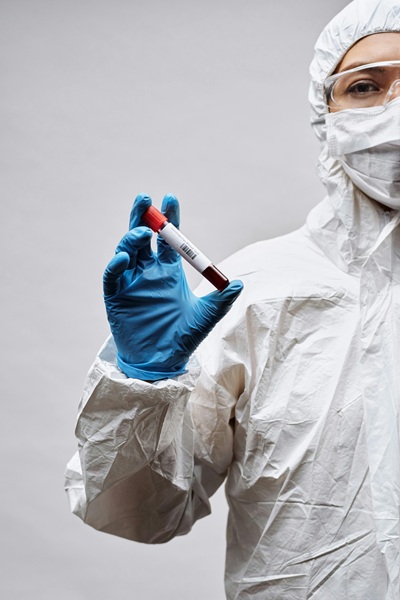
Why Blood Testing Matters
Hair growth reflects overall health. The follicles are particularly sensitive to changes in hormones, nutrition and metabolic function.
Blood testing provides an invaluable insight into what your body may be lacking or how it is responding to stress, hormonal changes or illness. Without this scientific assessment, symptoms might be managed at the surface without addressing the true cause.
Understanding these internal factors allows the trichologist to create a comprehensive plan that supports scalp health, promotes optimal hair growth and ensures any underlying conditions are investigated appropriately.
Men and women should consider visiting Stephen James Trichology for a blood test if they are:
- experiencing unexplained hair loss or thinning
- have slow or poor regrowth after illness or stress
- noticing brittle, weak or slow-growing hair
- suffering from persistent scalp irritation or inflammation
- looking to better understand their internal health in relation to hair vitality.
What Blood Tests Can Reveal
The specific tests requested will vary depending on your symptoms, age, and medical history. However, common checks include:
Iron and Ferritin levels – Low iron storage is frequently linked to diffuse hair thinning.
Thyroid function – Overactive or underactive thyroid can contribute to significant hair loss.
Vitamin D and B12 – Both are essential for healthy hair cell turnover and growth.
Zinc and biotin – Important for keratin structure and follicle health.
Hormone levels – Particularly androgens, oestrogen and progesterone balance, which can affect follicle activity.
Inflammation markers – Elevated levels may indicate autoimmune or inflammatory scalp conditions.
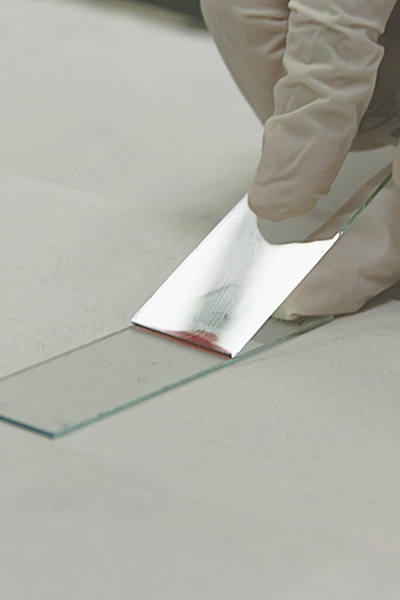
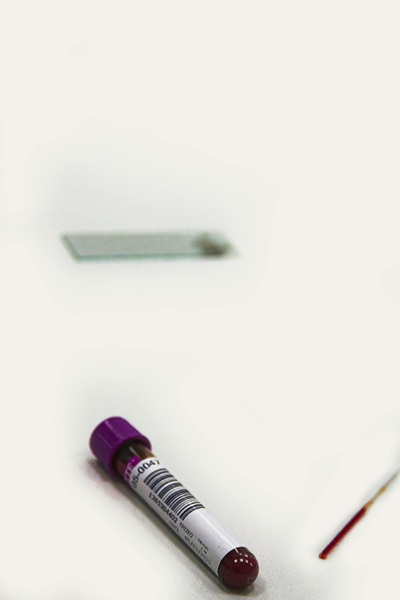
How Blood Testing Supports Hair Loss Diagnosis
During your consultation, your Consultant Trichologist will take a full history and scalp analysis before recommending blood tests to rule out correctable causes.
Understanding whether your hair concern relates to a nutritional issue, endocrine imbalance or other health factor allows for much more accurate and personalised treatment. For instance, iron therapy or dietary recommendations can be introduced where deficiency is found, while hormonal findings can guide collaboration with your GP or specialist.
Once your results are reviewed, we will explain what each finding means and how it relates to your hair or scalp symptoms. In many cases, rebalancing the body’s internal environment allows hair to re-enter a healthy growth cycle.
If scalp inflammation or sensitivity is also present, topical clinic treatments can be used in conjunction with nutritional or medical interventions.
The key benefit of combining trichology expertise with medical blood testing is precision. Rather than guessing potential issues, we have objective data to guide treatment choice and monitor your progress over time.
FAQs About Blood Testing
Below you will find our frequently asked questions about how blood testing can help you with a likely diagnosis of any hair or scalp disorders.
Why do I need a blood test for hair loss?
«Blood tests help identify internal causes of hair loss that cannot be seen on the scalp, such as nutritional deficiencies or hormonal imbalances.
Which blood tests are commonly recommended for hair loss?
«We typically recommend tests for:
- Ferritin and iron levels
- Vitamin D and B12
- Thyroid functions (TSH, T3, T4)
- Hormone levels
These help us understand your internal health and how this might be affecting your hair.
Can blood tests help with all types of hair loss?
«Blood tests help identify underlying causes such as nutritional deficiencies, thyroid imbalances, hormonal changes, or iron deficiency - all of which can contribute to hair thinning or shedding. At Stephen James Trichology we use blood tests to help us create a targeted and effective plan to help you with your bespoke needs.
Do I need to fast or prepare for my blood test?
«Most basic screenings do not require fasting, but your trichologist will advise if any preparation is necessary.
How do I go about getting a blood test?
«Yes. We recommend you book an appointment with your GP. First, please book a consultation with one of our Consultant Trichologists so we can confirm whether a blood test is needed.
How long will it take to get my blood test results?
«Most routine test results are available within 24–48 hours, while specialist tests may take a little longer. Your GP or phlebotomist will be able to give you an idea of when to expect your results.