
Medical-Grade Hair Loss Treatments
Our Trichologists provide expert, personalised care for individuals experiencing hair loss, thinning hair, and scalp disorders. Our clinics support clients across the West Midlands, Essex and Oxfordshire using medical-grade hair loss treatments combined with advanced cosmeceutical scalp therapies.
Every treatment plan is tailored following a detailed Trichologist Consultation, ensuring recommendations are appropriate, evidence-based, and aligned with your hair and scalp health needs.
Whether you’re managing androgenetic alopecia, telogen effluvium, alopecia areata, diffuse thinning, or chronic scalp irritation, our approach is designed to address the root causes and support long-term hair health, not quick fixes.
Hair loss is rarely caused by a single factor. Genetics, hormones, inflammation, nutritional deficiencies, stress, and scalp health all play a role. For this reason, we often combine:
- Pharmaceutical hair loss treatments to target biological drivers
- Cosmeceutical scalp treatments to optimise the scalp environment and support follicle function.
This combined approach helps improve outcomes, reduce progression, and support healthier hair growth over time.
For mild hair thinning or maintenance phases, cosmeceuticals alone may be sufficient when carefully selected.
Key Takeaways:
✔ Pharmaceuticals and cosmeceuticals are effective in treating scalp conditions & hair loss
✔ A consultation is essential to give you a likely hair and scalp diagnosis
✔ Hair loss and thinning hair can be effectively treated
✔ Stephen James Trichology operates in Oxford, Birmingham and Saffron Walden
What Are Pharmaceutical Hair Loss Treatments?
Pharmaceutical treatments are clinically approved medications used to treat hair loss and scalp conditions. They are especially effective for female pattern hair loss, male pattern baldness, and stress-related or hormonally influenced shedding when prescribed and monitored appropriately. These are recommended only after a comprehensive assessment, which may include:
- Detailed hair and scalp examination
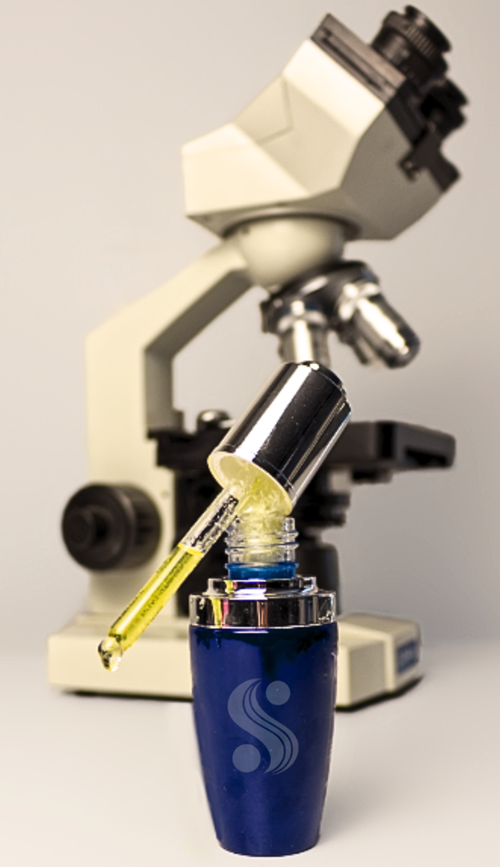
- Microscopic scalp analysis
- Review of medical history and lifestyle
- Blood testing, where appropriate.
Once we have provided a likely diagnosis, we may recommend a pharmaceutical hair loss treatment. Options include:
- Vasodilators (Minoxidil): Minoxidil improves blood flow to hair follicles, helping to prolong the growth (anagen) phase of the hair cycle. It is widely used for both male and female pattern hair loss and can help reduce shedding and encourage regrowth in responsive follicles.
- Anti-androgens (Finasteride & Dutasteride): These medications work by reducing the effects of dihydrotestosterone (DHT), a hormone linked to follicle miniaturisation in androgenetic alopecia. They are particularly effective in slowing progression and preserving existing hair.
- Corticosteroids (e.g. Clobetasol, Betamethasone): Used in certain inflammatory scalp conditions such as alopecia areata or severe dermatitis, corticosteroids help suppress inflammation that can disrupt normal hair growth.
- Targeted Oral Supplements: Where deficiencies are identified, medical-grade supplementation for iron, vitamin D, B12, and other nutrients can support healthy follicle function and scalp health.
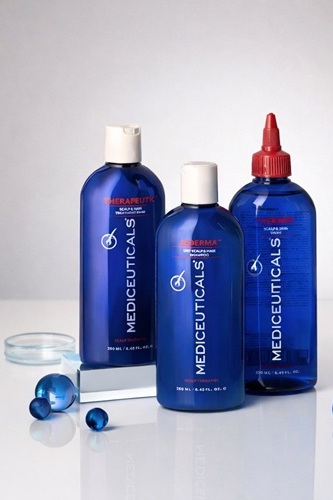
What Are Cosmeceutical Scalp Treatments?
Cosmeceuticals are advanced topical formulations that sit between cosmetics and pharmaceuticals. They contain bioactive ingredients supported by clinical research and are designed to improve scalp health, stimulate follicles, and enhance hair quality.
While they are not prescription medicines, cosmeceuticals play a vital role in both treatment support and long-term maintenance. Your treatment will be customised based on scalp type, hair texture, condition severity, and treatment goals. Key cosmeceutical ingredients and their benefits include:
- Caffeine: Stimulates hair follicles and may help counteract the suppressive effects of DHT on hair growth.
- Niacinamide (Vitamin B3): Improves scalp barrier function, reduces inflammation, and supports healthy circulation to follicles.
- Biotin (Vitamin B7): Supports keratin production and hair strength, particularly beneficial where deficiency or hair fragility is present.
- Peptides: Signal molecules that support follicle activity, hair anchoring, and thickness by promoting cellular communication within the scalp.
- Plant Stem Cells: Used to protect follicles from oxidative stress and environmental damage, supporting longevity of the hair growth cycle.
- Topical DHT Blockers: Botanical and synthetic agents help reduce DHT activity at the scalp level, are often used with pharmaceutical treatments.
- Anti-Inflammatory Agents: Help calm scalp irritation, redness, and itching, which can otherwise disrupt hair growth.
- Scalp Exfoliants: Remove excess sebum, dead skin cells, and product build-up, creating an optimal environment for follicle function.

Your Personalised Treatment Plan
During your consultation, we assess your:
- Hair loss pattern and progression
- Scalp condition and inflammation
- Medical history and lifestyle factors
- Blood markers, where relevant.
Based on this, we guide you through whether pharmaceutical support, cosmeceutical care, or a combined approach is most appropriate, ensuring you understand all options before proceeding.
FAQs
We assess and support clients with a wide range of hair and scalp conditions, including male and female pattern hair loss, telogen effluvium, androgenetic alopecia, alopecia areata, scalp disorders and inflammatory conditions.
What makes your hair loss treatments “medical-grade”?
«Our treatments are selected based on clinical evidence, professional assessment, and medical oversight, rather than cosmetic claims or one-size-fits-all solutions.
What’s the difference between pharmaceutical & cosmeceutical treatments?
«Pharmaceuticals are clinically approved medications that target biological causes of hair loss. Cosmeceuticals are advanced topical products containing active ingredients that support scalp health and follicle function. We often use both together for optimal results.
Is minoxidil effective for hair loss?
«Yes. Minoxidil is one of the most widely studied hair loss treatments and is effective for many people when used consistently under professional guidance. It can reduce shedding and support regrowth in responsive follicles.
Are anti-androgens suitable for everyone?
«Anti-androgens such as finasteride or dutasteride are suitable for specific hair loss patterns and individuals. They are only recommended following a full consultation and risk assessment.
Will cosmeceuticals help me regrow my hair?
«Cosmeceuticals can significantly improve scalp health and hair quality and may support density in mild cases. However, for genetic or hormonally driven hair loss, they are most effective when combined with pharmaceutical treatments.
Are cosmeceuticals and pharmaceuticals safe for long-term use?
«When prescribed, selected, and monitored correctly, both pharmaceutical and cosmeceutical treatments are generally safe for long-term use. We provide ongoing reviews to ensure continued suitability.
How long does it take to see results?
«Most treatments require 3–6 months before visible improvements occur, as hair growth follows a slow biological cycle. We monitor progress and adjust plans as needed.
How do I know which hair or scalp treatment is right for me?
«Your personalised plan is determined during a consultation at Stephen James Trichology, where we assess your scalp, hair history, and any underlying factors to guide you toward the most appropriate treatment pathway.